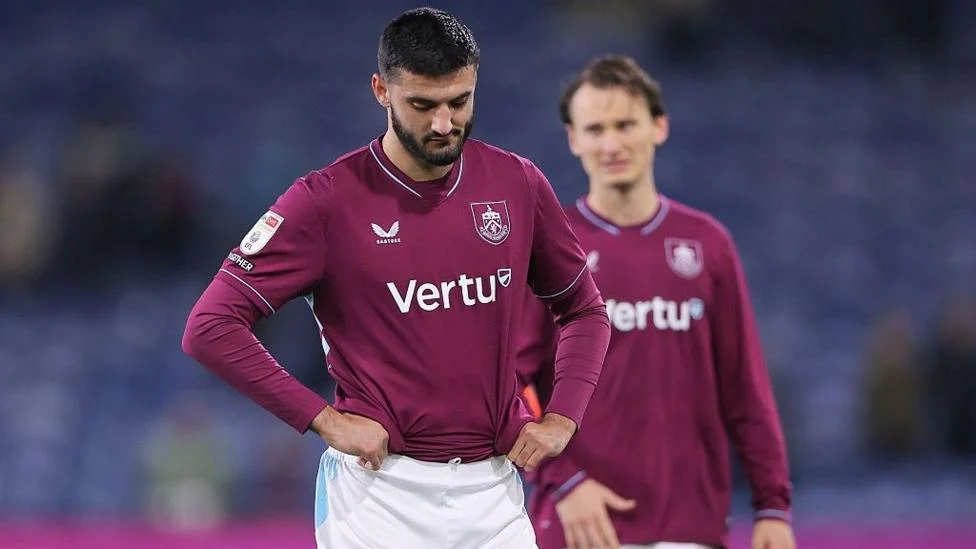
Back-to-back relegations from the Premier League down to the third tier of English football were once exceptionally rare, but statistics show the double drop is becoming more frequent. As Burnley currently struggle in the Championship relegation zone, they risk becoming the third team in three consecutive years to suffer consecutive demotions.
A growing trend after years of stability
During the first 20 seasons of the Premier League, consecutive relegations happened only once to Swindon Town in 1994-95 due to a division rebalancing, though Wolverhampton Wanderers later suffered the drop in 2011-12. Since then, the feat has occurred four times in 14 seasons, including recent back-to-back drops by Luton Town and Leicester City, alongside Wigan, Portsmouth, Leeds, and Sheffield Wednesday.
Turbulence both on and off the pitch heavily contributed to the demotions of clubs like Wolves, Sunderland, and Leicester. During their descent, Wolves changed managers four times and made poor signings, while Sunderland became the only club to finish bottom of both the Premier League and the Championship. Meanwhile, Leicester’s drop to League One followed poor boardroom decisions and a six-point deduction for breaching profit and sustainability rules.
Former Watford and Reading midfielder Jobi McAnuff told BBC Sport that the back-to-back relegations of Luton and Leicester were driven by the mismanagement of their playing squads, noting that some Luton players felt an entitlement to stay in the top flight, while Leicester kept players who did not want to be in a relegation battle.
Despite their consecutive drops, Luton have maintained progressive off-field operations, advancing work on a new stadium at Power Court. Their recent relegation from the Championship occurred solely due to an inferior goal difference compared to Hull City.
Financial divides and future competitiveness
Burnley previously established themselves as a yo-yo club before a leveraged buyout by ALK Capital in 2020 left them carrying £142m in loans by 2024-25, the highest debt level in the Championship. Facing a record-breaking winless home run and a recent 4-1 defeat by Lincoln City, the Clarets appointed Diego Lopez as chief football officer and Fabio Celestini as manager to reverse their fortunes.
The financial disparity between divisions was highlighted by Burnley’s £71.7m revenue for 2024-25 compared to Lincoln’s £7.81m, alongside Burnley receiving £48m in parachute payments while Lincoln anticipated £5.5m in solidarity funding. Parachute payments are distributed to relegated clubs to ease the transition—amounting to £48m in the first year and £39m in the second year.
In its recent State of the Game report, the Independent Football Regulator (IFR) stated that a new financial agreement between the Premier League and the EFL must reduce the distortive impact of parachute payments by introducing merit payments based on final league position. IFR chair David Kogan explained that reducing parachute payments while increasing funds into the Championship will significantly narrow the financial gap and make the division much more competitive.
The IFR report noted that clubs receiving parachute payments were over four times more likely to be promoted, with four such recipients holding a massive points advantage and filling the top three spots in 2024-25. McAnuff stated that even with reduced payments, that financial advantage will remain massively significant for those teams.
Burnley will host Portsmouth as they attempt to avoid the fate of consecutive relegations and prove whether parachute payments can outweigh internal struggles.
Source: BBC Sport