Average Women’s Super League (WSL) attendances have stalled following a massive surge after the Lionesses’ Euro 2022 triumph, according to a 2026 report by YouGov and architecture firm Populous. Median crowds have risen by only 166 fans, moving from 3,070 in the 2023-24 season to 3,236 in the 2025-26 season, based on a survey of 2,000 fans.
Declining Crowds for Major Fixtures
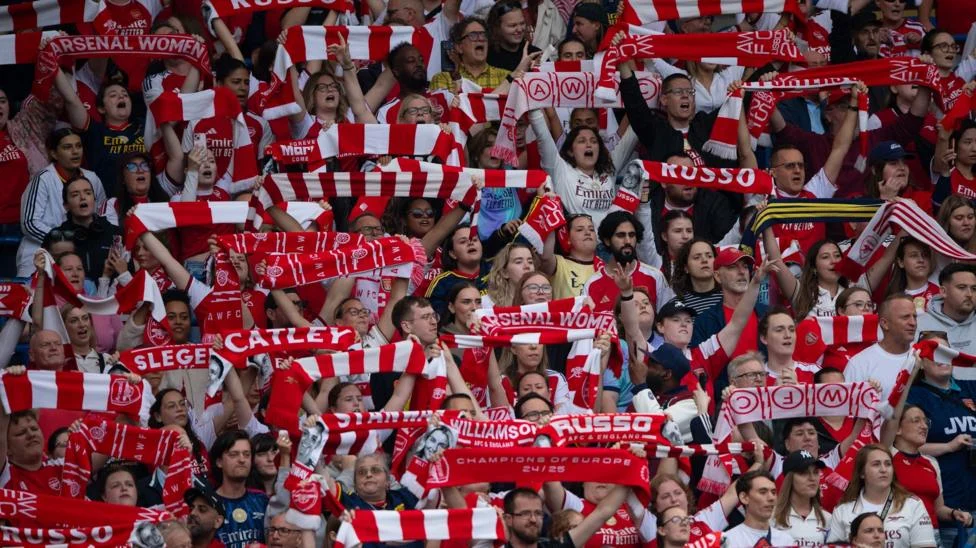
While some marquee matches drew smaller crowds, others experienced growth depending on venue and timing. Arsenal’s match against Manchester United at Emirates Stadium dropped from 46,603 attendees in 2024-25 to 29,853 this season, and Chelsea versus Arsenal decreased from 34,302 to 19,349 over the same period. Arsenal averaged 34,000 supporters at the Emirates last season—outpacing eight Premier League clubs—yet recorded just 19,546 spectators for an October fixture against Birmingham City.
In contrast, Manchester United played Manchester City at Leigh Sports Village in October before moving the same fixture to Old Trafford in March 2026, where the crowd grew from 5,361 to 24,983 fans. Meanwhile, a spokesperson for WSL Football told BBC Sport that strong overall demand for the women’s game remains.
Family-Friendly Marketing versus Loyal Supporters
The YouGov and Populous study revealed that a welcoming, family-friendly environment ranked above team success and on-pitch quality for both established and potential fans. The research indicated that only 15% of supporters who attended a women’s match in the past five years did so at least monthly, while 43% identified as casual followers engaged more with international tournaments, and 10% considered themselves devoted supporters.
This dynamic has created a matchday experience gap, with clubs launching family-oriented initiatives that have frustrated some traditional supporters. Tottenham fan Dakota expressed relief at missing a north London derby promoted with DJs, face painting, and freestylers, stating that the sport cannot grow if marketing targets only kids and families rather than young adults with disposable income. Fellow supporter Rosewen shared similar concerns about losing focus on football and winning matches, while another fan noted that Brighton used a similar family-focused strategy for an October match against West Ham at the Amex.
Scheduling Challenges and Broadcaster Missteps
Inconsistent kick-off times and fixture scheduling emerged as major concerns impacting regular fan attendance. Arsenal supporter Sue highlighted how constant game time changes and train disruptions deterred families, while Victoria called for consistent Sunday afternoon kick-offs. The October north London derby at Tottenham Hotspur Stadium started at 12:45 BST on the same day Arsenal’s men played Everton, forcing fans to choose between fixtures and dropping attendance from 28,852 in 2024 to 13,719.
A WSL Football spokesperson acknowledged challenges with fixture scheduling and stadium availability, noting that cumulative attendances have exceeded one million across the past three seasons. Meanwhile, efforts to attract new audiences through broadcasters and digital platforms have faced criticism. Sky Sports closed its pink-branded TikTok channel Halo within 48 hours amid backlash over patronizing lifestyle content, while a Women’s League Cup draw hosted by influencer GK Barry and Disney+ coverage of the Women’s Champions League featuring a dog and a vegetable platter also sparked debate.
Competitive Balance and Stadium Infrastructure
Supporters and figures in the sport have raised questions about product competitiveness and the lack of jeopardy in WSL matches. London City Lionesses owner Michele Kang stated at the World Football Summit in Madrid that competitive balance in Spain, France, and Germany needs improvement, a sentiment reflected by Barcelona reaching seven of the past eight Women’s Champions League finals.
Stadium design and the novelty of playing at large men’s grounds also affect crowd numbers. While hosting matches at iconic stadiums initially provided cheap access for families, the novelty has worn off. To address this, Brighton announced plans for Europe’s first purpose-built women’s football stadium—a £75-80 million, 10,000-capacity ground next to the Amex. CEO Paul Barber said the venue will give respect and focus to the women’s team under the WSL’s world-first design guidelines.
Addressing multiple audiences simultaneously remains possible, with London City Lionesses pairing a children’s fan zone with a post-effect Oktoberfest for older fans. Former England international Ellen White told BBC’s Women’s Football Fallout that women’s football is for everyone and requires strategies to grow the game and fill stadiums.
WSL Football stated that women’s football is still in an early stage where growth is non-linear, adding that organizers are actively learning about the fanbase and working with clubs to increase match visibility.
Source: BBC Sport