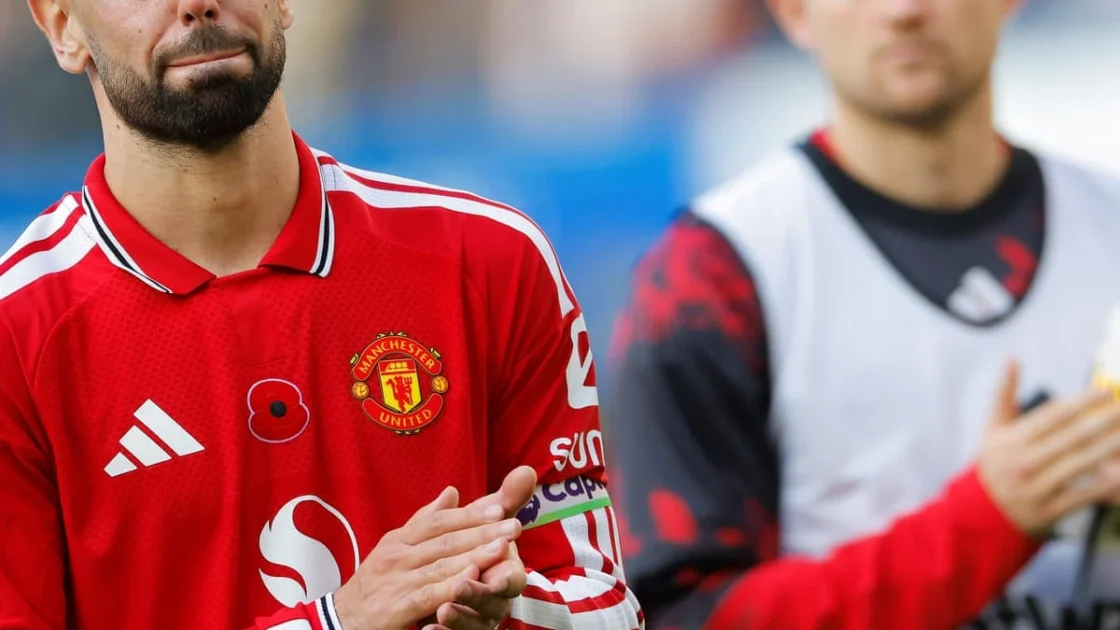
Manchester United fell to a 2-0 defeat against Chelsea, extending a winless run that dates back to early September. The result leaves manager Michael Carrick facing mounting speculation over his future, though the match served primarily as a stark illustration of deeper structural issues within the club.
A Symptom of Deeper Issues
The defeat also featured an exit from the Carabao Cup and a lowly position in the Champions League standings, compounding a miserable period for the team. While managerial changes at Old Trafford have become routine, the lack of tension surrounding Carrick’s expected departure highlights a club culture where personnel changes feel almost pre-determined.
The pivotal moment of the match arrived shortly after half-time with the score goalless. Morgan Rogers received the ball near the centre circle and was allowed to run completely unopposed through the middle of the pitch before chipping a neat finish past goalkeeper Senne Lammens.
The incident laid bare a recurring vulnerability for United, whose defensive shape routinely collapses through the centre. Shortly afterward, Lisandro Martínez received a red card for striking Wesley Fofana in the neck away from the ball. Cole Palmer subsequently converted the resulting penalty to seal the 2-0 victory for Chelsea.
Frustration and Leadership Deficits
Frustrations among senior players have increasingly spilled into the public sphere, reflecting the general turmoil surrounding the team. Bruno Fernandes returned to the starting lineup on a crisp October morning, yet the squad continues to struggle with a perceived lack of on-field leadership and tactical direction.
United’s ongoing struggles persist despite massive financial expenditures, leaving supporters feeling short-changed by a profitable yet heavily indebted institution. By the final whistle, Chelsea were in total control, with standout performances including Estevão Willian causing persistent problems for Diogo Dalot on the right flank.
Executive Scrutiny and Future Uncertainty
As cameras frequently panned to executives Omar Berrada and Jason Wilcox in the stands, attention turned inevitably toward the imminent decision regarding Carrick’s position. Having hired Carrick in the first place, the club hierarchy now prepares for another mid-season managerial transition.
Carrick has maintained a professional stance throughout his tenure, acknowledging his limitations at this level. However, the broader questions at Manchester United remain focused on leadership figures in the boardroom, presiding over an organization that has grown accustomed to interim mediocrity.
Source: Football | The Guardian