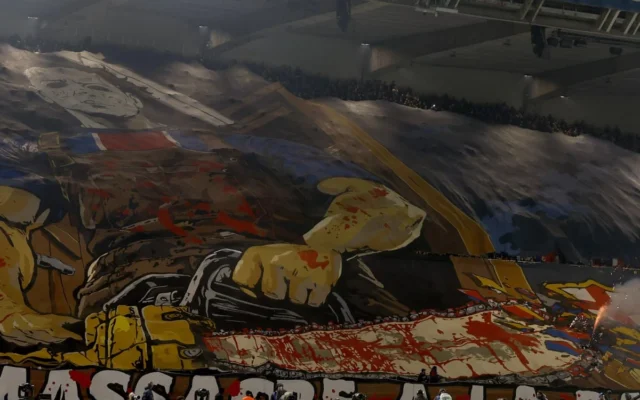
Attending a match between Boca Juniors and River Plate in Buenos Aires on her 60th birthday, a writer reflected on a lifetime of experiences at Argentina’s biggest football derby. Once globally famed for its uncontainable emotion, colorful flares, and chaotic passion, the Superclásico has undergone significant transformations over the decades.
Changing Spectacles and the Absence of Away Fans
Since 2013, Argentine football matches have been played without visiting supporters, a measure introduced to reduce violence and make the experience more family-friendly while increasing ticket availability for club members. As reported by Football | The Guardian, Argentine journalist Ezequiel Fernández Moores recalled the first such derby at the Monumental, noting how non-home joy had to be repressed in the press area when Boca scored. The absence of away fans has also created an absence of away press, with journalists now sitting alongside the hardcore home gang, La Doce, cheering and cursing with the crowd.
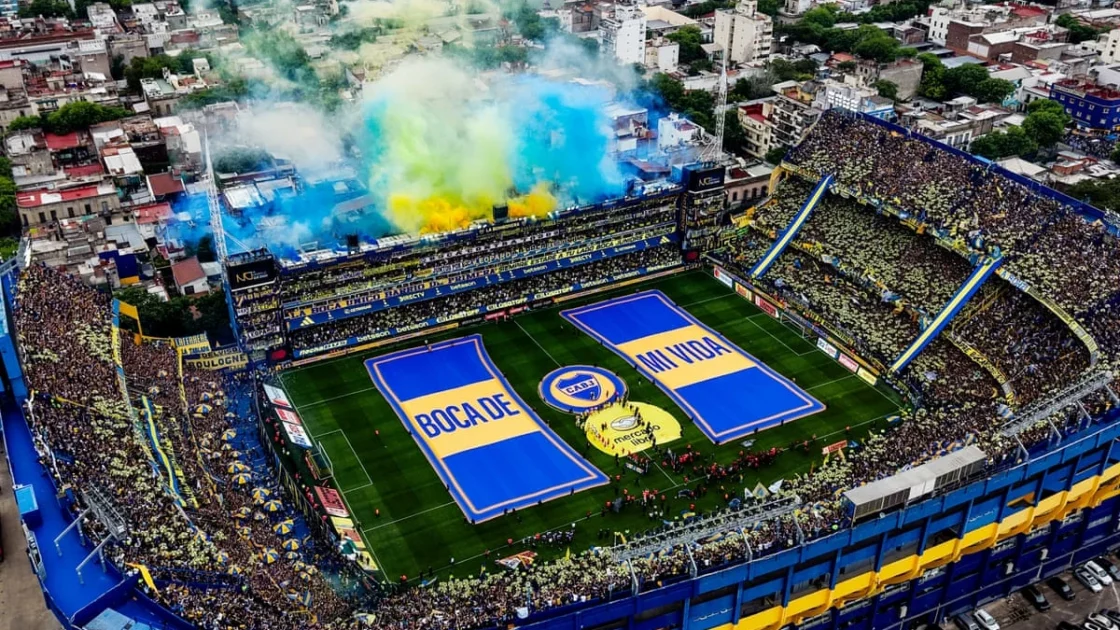
For Sunday’s fixture, Boca distributed blue and yellow umbrellas to match the club-organized fireworks, a stark contrast to past decades when pyrotechnics were smuggled in by ultras. During accreditation pickup, the head press officer noted that the author had once interviewed José Barritta, the infamous leader of La Doce in the 1990s. In 1994, the author spent an afternoon with Barritta for a feature that was ultimately shelved after the match ended in tragedy, with two River Plate fans shot dead outside the stadium. The author subsequently served as a witness establishing that Barritta was not involved, and her interest in football violence waned.
History of Tragedy and Rare Experiments
Death and danger have long shadowed the fixture. In 1968, 71 fans, mostly Boca supporters, were crushed to death at Gate 12 when an exit gate failed to open fully. Historically, gang leaders from both clubs had friendly relations, buying meat from one another’s butcher shops and fighting mutual rivals, until leadership changes in the late 1970s and 1980s led to a total rupture under Barritta.
Away fans made a brief, one-off return in 2018 when Boca and River met in the Copa Libertadores final. After the Boca team bus was attacked with stones and security broke down, the match was cancelled and controversially moved to Madrid.
Family Memories and Modern Attitudes
Sunday’s match carried limited consequence under Argentina’s current tournament system, though Boca’s 1-0 victory against a nine-man River side secured them a place in next year’s Libertadores. Radio commentator Victor Hugo Morales, marking 60 years of broadcasting, noted that he had seen both better and worse derbies. Ticket prices have soared to half a million pesos (£240), a far cry from the days when women and children gained free entry.
Personal memories of the fixture span generations of family involvement, from sneaking a 10-year-old brother into the stadium to watching a River-supporting family friend silently grieve during a Boca victory gathering. Modern younger generations, however, appear more relaxed about the rivalry. Popular streamer Davo dismissed the match’s hyped-up significance, calling it just another game, while the author expressed a hope to one day attend a Superclásico alongside her own River-supporting son without tribal bans.
Source: Football | The Guardian