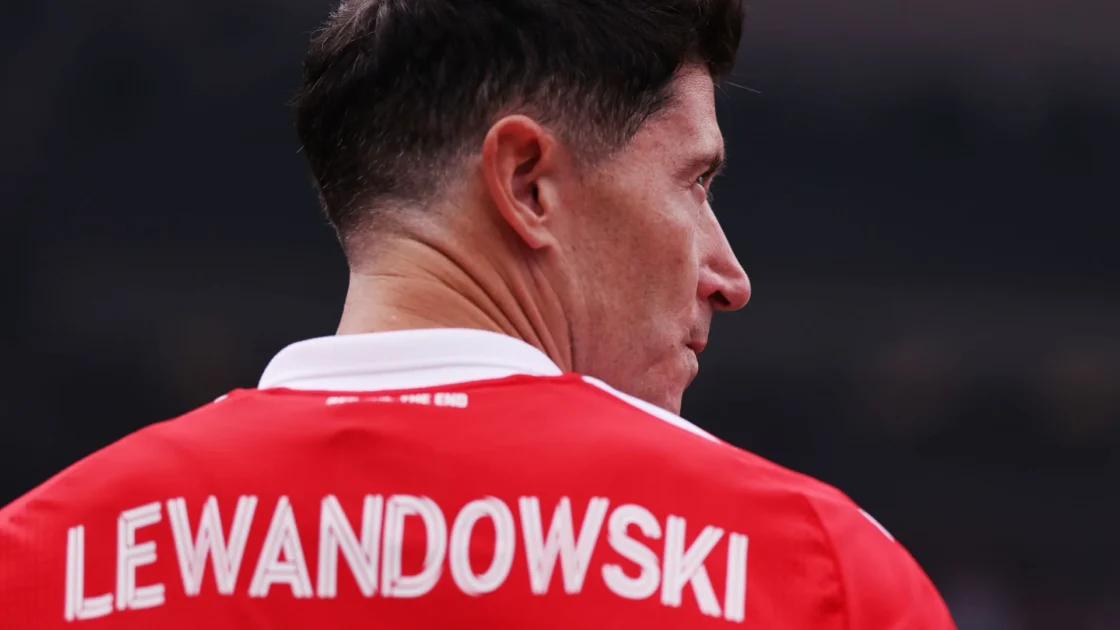
Chicago Fire sporting director Gregg Broughton discusses the club’s ambitions to capture the city’s sporting attention, aided by the arrival of star striker Robert Lewandowski and significant infrastructure investments.
Building Momentum On and Off the Field
Chicago is a passionate sporting city where teams like the Bears, Bulls, and White Sox regularly capture public attention, and the soccer club aims to join that elite group. Broughton, a 50-year-old Englishman with experience at Luton, Norwich, Bodo/Glimt, and Blackburn, joined Chicago Fire to help deliver that success. Following a play-off appearance last season, the team has returned to the post-season for the second consecutive year, marking a first since 2009.
The progress extends beyond results into major club projects. A new training ground is already operational, and a purpose-built stadium is scheduled to open in the summer of 2028, with construction visibility building daily momentum. Historically holding a top-10 budget without matching results, the club is shifting that dynamic, starting with the high-profile acquisition of Robert Lewandowski.
Lewandowski’s Wide-Ranging Impact
Lewandowski has contributed nine goals, including three in his last two games, but his influence reaches far beyond scoring. Capitalizing on Chicago’s significant Polish community, the striker has driven ticket sales at home and away matches in cities like Toronto and New York, where fans wear Poland and Chicago Fire shirts.
Broughton highlights Lewandowski’s professional standards within the squad, noting how the forward introduced himself to intimidated academy players on a flight to New England. On the return trip, Lewandowski spent an hour and a half reviewing performance clips with the head coach. Broughton states that Lewandowski demonstrates what peak performance looks like, while his own role is to mirror that across the entire organization.
A Data-Driven Strategy and Strong Leadership
While the club has substantial resources, finding an edge requires world-class personnel in every department. Broughton points to director of physical performance Darcy Norman, a World Cup winner with Germany and Champions League winner with Bayern Munich, alongside head of strategy Eddie Rock, who understands complex MLS roster rules. According to Broughton, the club operates the largest analytics team in MLS.
That analytical approach helped identify atypical talents through projection models, such as Ivorian player Dje D’Avilla from the Portuguese second division and defender Mbekezeli Mbokazi from Orlando Pirates, who became a standout central defender in MLS. Broughton explains that addressing MLS tactical imbalances—such as high turnover and transition rates—allows the club to recruit efficiently from competitions where physical running is valued differently.
Broughton praises his colleagues for their collaborative efforts, highlighting general manager Zayne Thomajan for leading Lewandowski’s relocation and president Dave Baldwin for strategic marketing decisions like pre-signing promotional billboards. Holding a UEFA Pro Licence without coaching ambitions, Broughton collaborates closely with head coach and director of football Gregg Berhalter, allowing them to discuss football without career conflicts. Having previously helped shape the culture at Norway’s Bodo/Glimt, Broughton is now working to define an identity that resonates with Chicago’s hardworking industrial character, as the team prepares for their play-off match against Charlotte on Sunday.
Source: SkySports | News