Raheem Sterling was once considered an unstoppable force in football, a player whose unique movement and poise made him a standout talent during Manchester City’s most dominant era. However, the 31-year-old now finds himself at a difficult crossroads following a suspended prison sentence for dangerous driving and possession of nitrous oxide.
Rising as a teenage prodigy, Sterling made his Liverpool debut at 17 and earned his first senior England cap shortly before turning 18. At his peak, his influence was so significant that Barcelona legend Xavi once compared his potential to that of Lionel Messi and Cristiano Ronaldo. During his time at Manchester City, Sterling secured four league titles and played a central role in a domestic treble, earning the nickname “Wembley boy” for his performances at the stadium.
Pep Guardiola once famously stated that the team’s success was largely due to Sterling’s contributions. Sky Sports reporter Ben Ransom recalls that Sterling’s dribbling electrified the Etihad Stadium, noting that the title-winning sides of 2018 and 2019 were among the best in Premier League history. Despite his on-field success, his career was frequently marked by public scrutiny, ranging from his controversial 2015 departure from Liverpool to being scapegoated following England’s exit from Euro 2016.
Sterling often faced intense criticism, including racially motivated online abuse, which led him to label himself #TheHatedOne. Yet, he consistently silenced doubters, most notably during England’s run to the Euro 2020 final, where he served as the team’s most reliable creative source. By the time he moved to Chelsea in 2022, however, his output had begun to stall. Sterling explained at the time that he left Manchester City because he felt his game time was limited and he did not want to see his career decline after such a rapid rise.
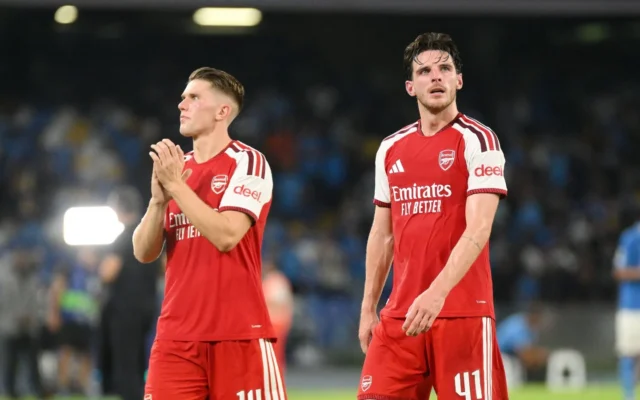
The physical demands of a career that saw him reach 500 appearances by age 26 eventually took their toll. Relying heavily on speed, Sterling struggled as his physical sharpness waned. A loan spell at Arsenal failed to reignite his form, yielding only one goal, and a subsequent stint at Feyenoord proved unsuccessful. Reports indicated that his conduct at Chelsea became a point of contention as he found himself training away from the first team.
Beyond his statistics, Sterling’s legacy includes significant work off the pitch. He was awarded an MBE in 2021 for his efforts in challenging stereotypes and addressing the treatment of Black athletes in the media. Ransom notes that Sterling was a “difference maker” who was willing to challenge powerful figures to address hypocrisy in the industry.
While his recent legal troubles in a Basingstoke magistrates court mark a low point, his supporters argue that his career should not be defined solely by this final chapter. The narrative of his professional life remains one of immense impact and resilience in the face of constant public pressure.
Source: SkySports | News