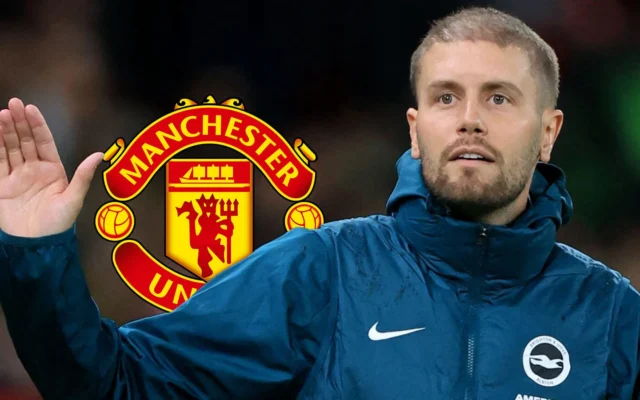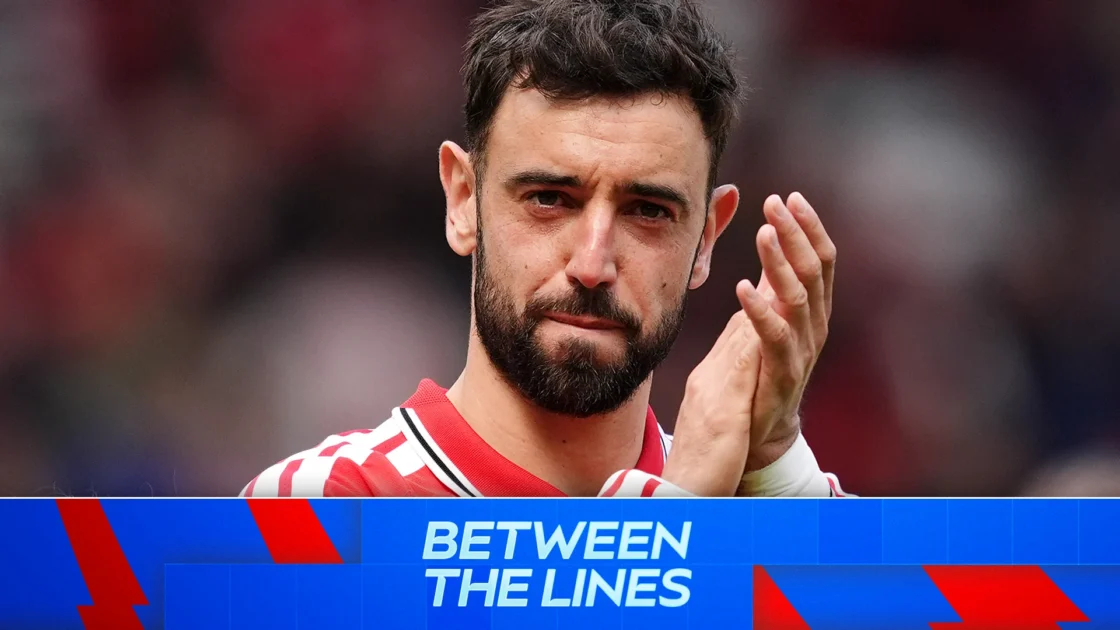
Manchester United manager Michael Carrick has received a stay of execution after the club considered making a fourth managerial change in four years following a 3-0 defeat by Bournemouth at Old Trafford. As the club’s eighth permanent boss since Sir Alex Ferguson’s retirement in 2013, Carrick faced intense scrutiny amid a poor start to the season. However, research by Sky Sports suggests a deeper issue: what if United are not an elite team underperforming, but rather a mid-table side whose results have masked their true level in the post-Ferguson era?
Managers Have Overperformed
While Manchester United’s managers have repeatedly paid the price for the club’s struggles over the past decade, research for Between the Lines indicates they have largely overperformed in terms of Premier League points won relative to expected points. United’s total of 669 points is the fifth-highest in the Premier League during that timeframe. However, the Sky Sports expected points model—which factors in the quality of scoring chances for and against per game—places United on 613 points, meaning they have secured 56 more points than expected. Since 2016, only Everton have outperformed their expected points by a larger margin among Premier League clubs.
This overperformance can be attributed to factors such as clinical finishing, strong goalkeeping, wasteful opponents, and sheer luck, though it has remained a constant theme at Old Trafford over the last decade. On a per-game basis, Carrick ranks as the largest overperformer among recent managers, averaging 1.85 points per game from an expected average of 1.37 during his tenure. Although he has underperformed this campaign by taking three points fewer than expected, he guided United to a third-place finish last season on 71 points against an expected total of 61, meaning data suggests they should have finished two places lower.
Erik ten Hag, Ralf Rangnick, Jose Mourinho, and Ole Gunnar Solskjaer also exceeded their expected points while managing United, with Ruben Amorim serving as the sole exception since 2016. Carrick’s success last term elevated expectations for a full campaign, but results once again flattered performances. Last season marked the eighth time in 10 years that United finished higher than expected based on performance quality. Between the 2021/22 and 2025/26 campaigns, United’s average expected finishing position was ninth, while the expected points model indicates that their eighth-place finish under Ten Hag in the 2023/24 season should have actually been a 14th-place finish.
Poor Recruitment the Bigger Issue
These consistently mediocre performance levels highlight concerns regarding squad quality, especially given that United’s net spend since 2016 sits at £1.4bn—surpassing any other club’s by 40 per cent. United’s net spend rank has exceeded their expected points rank in eight of the last 10 seasons, without registering a higher expected points rank in any of them, exposing a decade of poor recruitment. While managers bear some responsibility, Sky Sports pundit Gary Neville highlighted on his podcast following the Bournemouth loss that the players were recommended by others, noting that squad recruitment falls outside the manager’s remit and points the spotlight toward the head of recruitment and sporting director.
Christopher Vivell and Jason Wilcox currently hold those respective roles, with Wilcox facing public criticism from defender Lisandro Martinez following a Champions League defeat to Atletico Madrid. Since Wilcox joined in April 2024 initially as technical director, few signings have proven successful, with Manuel Ugarte, Matthijs De Ligt, Leny Yoro, Joshua Zirkzee, and Benjamin Sesko among those yet to justify their transfer fees. These difficulties extend further back to expensive acquisitions like Rasmus Hojlund, Antony, Jadon Sancho, Raphael Varane, and Romelu Lukaku.
According to Transfermarkt fees paid and valuations, the cumulative effect is a squad that cost significantly more than its current worth, leaving only Tottenham with a higher negative difference between squad cost and value among Premier League clubs. While most clubs have built value, United remain one of only six to do the opposite. Until the club fixes recruitment issues that leave them short of the quality required to compete at their desired level, their managers will continue facing the consequences.
Source: SkySports | News