Striking parallels exist between the Manchester United squad that suffered relegation in 1974 and the modern team sitting in the relegation zone at this stage of the season for the first time in 40 years. Following the departure of a legendary manager, boardroom uncertainty and continuous managerial turnover have caused the club to slide over several years.
Echoes of the Past
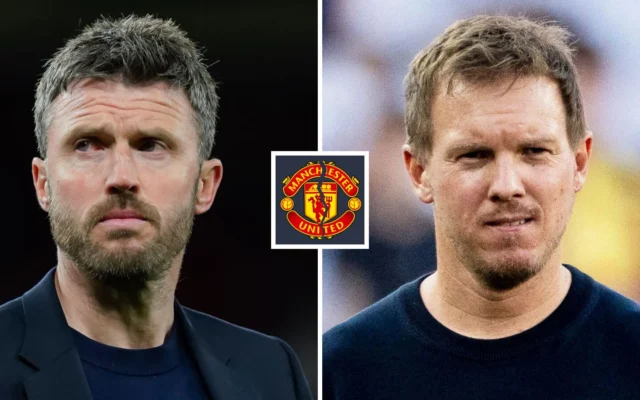
Sir Matt Busby stepped aside after leading the 1968 European Cup-winning side, remaining as a director much like Sir Alex Ferguson, who watched from the Old Trafford directors’ box as successors struggled. In the six years following their European triumph, United cycled through Wilf McGuinness, temporary manager Busby, and Frank O’Farrell before hiring Tommy Docherty, who ultimately oversaw their relegation. Similarly, over the past eight years, United have sacked José Mourinho, Ole Gunnar Solskjær, Erik ten Hag, Ruben Amorim, and Michael Carrick.
While outsiders viewed the 1974 United side as too big to fail, individuals inside the club recognized the looming decline. After a heavy defeat at Crystal Palace in December 1972, Busby offered Docherty the managerial job in the boardroom at Selhurst Park, warning him that the club had a lot of trouble in the camp and comparing the task to turning a massive oil tanker around.
Rebuilding and the Drop
Granted free rein for a squad rebuild, Docherty immediately signed George Graham, Alex Forsyth, and Lou Macari, while phasing out aging stars from the 1968 championship team such as Bobby Charlton, Denis Law, Tony Dunne, Pat Crerand, and David Sadler. George Best played his final match on New Year’s Day 1974, and Law controversially moved to Manchester City.
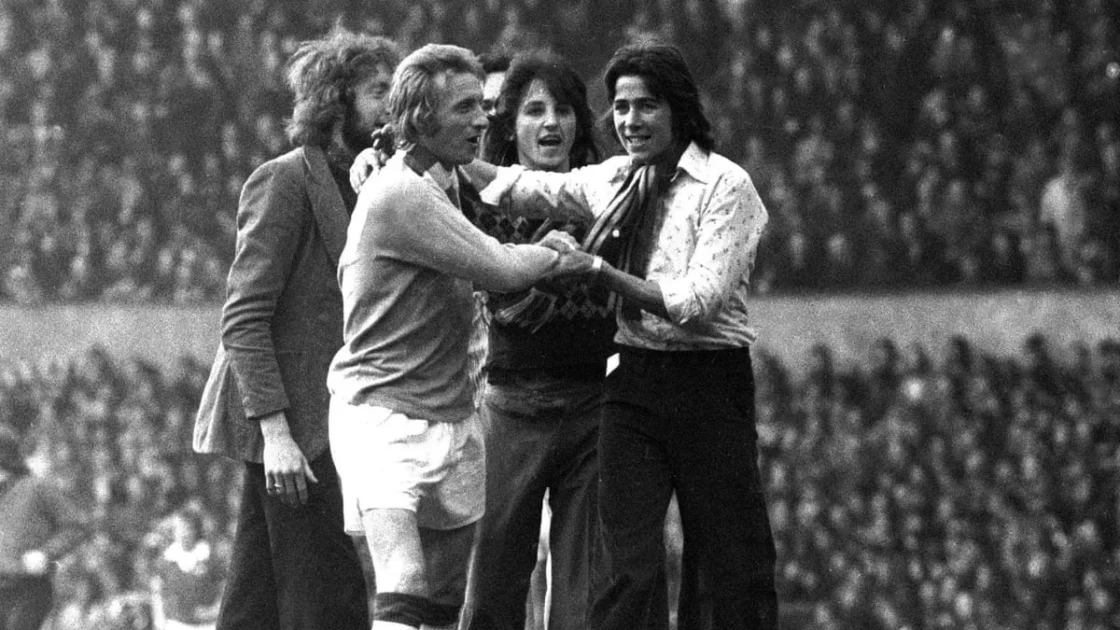
After keeping United up in his first season, Docherty released 13 players that summer, but a severe lack of goals doomed the team the following campaign, with goalkeeper Alex Stepney serving as joint-top scorer at one point with two penalties. Relegation was sealed on the penultimate matchday with a defeat against Manchester City, featuring a late winning back-heel goal by former player Law.
A Different Football Landscape
Despite the relegation, the club’s brand survived as Old Trafford averaged over 47,000 fans in the Second Division—the highest in the country—while Docherty recruited young, hungry talent like Steve Coppell, Stuart Pearson, and Jim Holton to secure an immediate promotion.
However, Football | The Guardian notes that stark differences separate that era from the modern game. In the 1970s, the gap between the top two tiers was narrower, clubs did not forfeit massive broadcast deals, owners had not saddled them with debt, wages were not tied to Champions League qualification, and fans showed greater patience.
If the lessons from the 1970s are ignored, the consequences for the modern club could prove infinitely more severe.
Source: Football | The Guardian