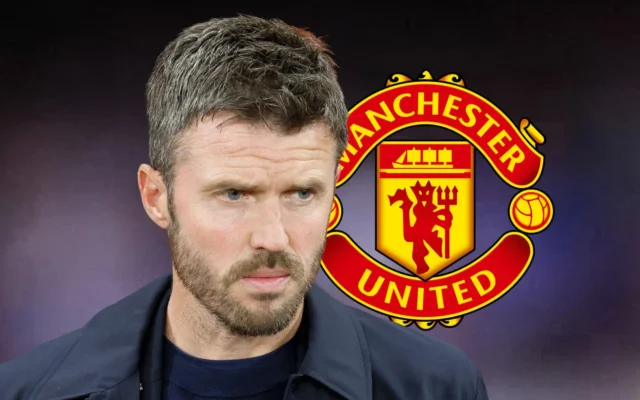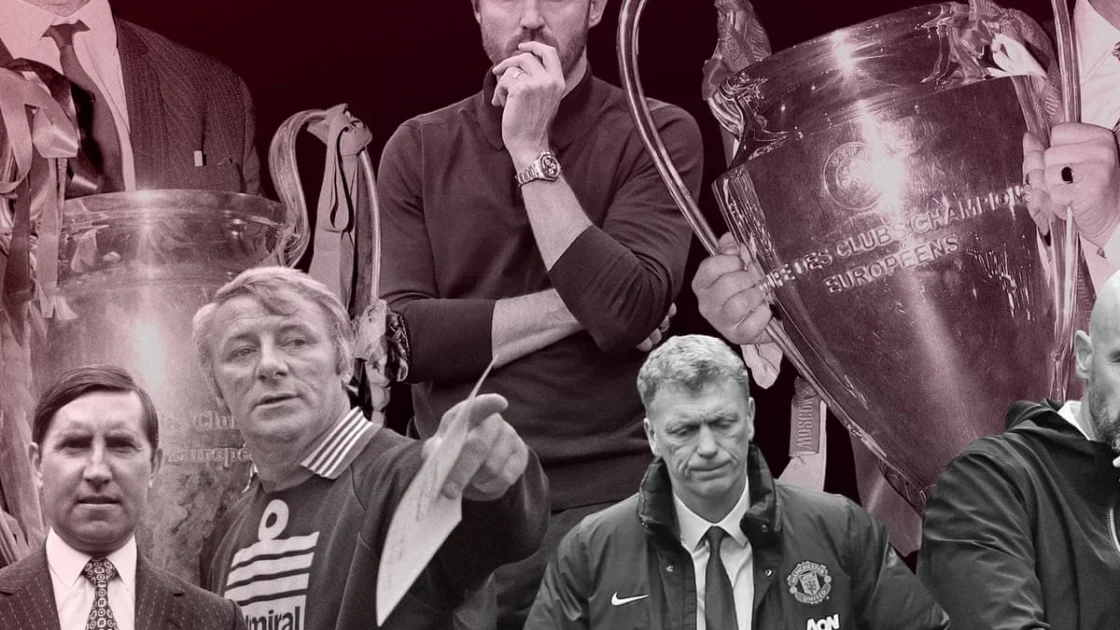
Throughout the past century, only Matt Busby and Alex Ferguson have achieved true success as managers of Manchester United. Aside from these two 20th-century Scottish managers, Old Trafford has largely functioned as a managerial graveyard, with Michael Carrick emerging as the latest figure facing potential downfall.
The Shadow of Past Success
Busby and Ferguson successfully structured the club around their own personalities, utilizing enough charisma to rally others behind their vision. Carrick, serving as an internal appointment and club figure, now encounters the identical isolation that plagued his unsuccessful predecessors. Recent television remarks from players like Bruno Fernandes and Lisandro Martínez reflect a recurring club tradition where glamour intersects with decadence, creating a faded grandeur that continually pushes managers out the door.
Beyond Busby and Ferguson, every permanent United manager has experienced the intense pressure of a declining powerhouse. Their dismissals have frequently involved internal political infighting, characterized by favoritism, nepotism, self-interest, entitlement, complacency, and sentimentality. Operating under the enduring legacy and influence of the two legendary managers remains a primary challenge for anyone taking the role.
Historical accounts demonstrate that this turmoil is deeply rooted. Following the departure of Wilf McGuinness in December 1970, Brian Kidd remarked to his teammates that they had let the manager down, a decision ultimately orchestrated by Busby himself. Frank O’Farrell faced a swift conclusion to his tenure following a 5-0 defeat to Crystal Palace at Selhurst Park in December 1972.
Management Turmoil and Boardroom Politics
Tommy Docherty succeeded O’Farrell, but his tenure ended in 1977 after an affair with the club physiotherapist’s wife, with his sacking announced by club secretary Les Olive from behind a Cheshire mansion door. Dave Sexton lost his job in 1981 despite winning his final seven matches, as dwindling attendance figures at Old Trafford sealed his fate. Ron Atkinson turned his November 1986 dismissal into an office party, leaving behind hangovers for Ferguson’s arrival.
Ferguson’s predecessors consistently struggled against the prevailing influence of Busby’s circle. O’Farrell previously described the environment as a fantasy world due to the gossipy former players who regularly played golf with Busby. Meanwhile, Docherty made bold decisions by releasing prominent names like George Best, Bobby Charlton, Denis Law, and Paddy Crerand, which ultimately cultivated internal opposition before a boardroom moral majority removed him.
Managers following Ferguson have had to contend with his persistent presence in the stands and his controversial patronage of Malcolm Glazer’s 2005 takeover. Although Ferguson largely maintained discretion, incidents such as his 2001 remarks to Khabib Nurmagomedov regarding Cristiano Ronaldo’s benching occasionally leaked to social media. Carrick recently acknowledged holding conversations with his former boss, while his decision to bench Fernandes against Bournemouth mirrored classic Ferguson-era tactics.
The Failure of Successors
Attempting to replicate Ferguson has repeatedly proven ineffective. Carrick likely absorbed lessons from Ole Gunnar Solskjær, whose efforts to project a hardened persona after declining to use Ferguson’s designated parking space failed to convince observers. Conversely, imposing figures like Louis van Gaal and José Mourinho also struggled to meet expectations regarding attacking football.
Ownership groups, including the Glazers and Jim Ratcliffe’s Ineos, have repeatedly attempted to introduce corporate professionalism, yet the club’s inherent chaos consistently overrides rational structures. Mourinho later used a television special to revise his narrative, suggesting that a 2013 appointment would have yielded continuous success, though historians view this as an unconvincing attempt to reshape reputations.
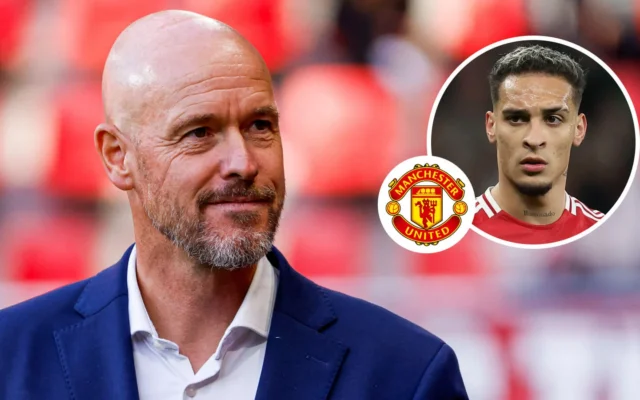
Subsequent tenures, including David Moyes being cast as an afterthought and Mourinho’s fractious exit, further complicated the club’s trajectory. Such scorched-earth approaches were later mirrored by Ruben Amorim, while Erik ten Hag’s retention by Ineos in the summer of 2024 left observers and the manager alike confused.
Busby and Ferguson demonstrated that managing the club successfully is possible, but the likelihood of restoring that empire diminishes as the vanity, plotting, and self-interest defining modern Manchester United persist. In that regard, Busby and Ferguson themselves share a portion of responsibility for the ongoing struggles.
Source: Football | The Guardian