English football has a long-standing fascination with dossiers, though they are often viewed as absurd exercises in pedantry. Arsenal manager Mikel Arteta has recently collated a massive collection of images tracking opposing bosses stepping out of their technical areas, sparking discussions about whether this reflects a genuine grievance or a growing persecution complex.
The Controversy Over Touchline Behaviour
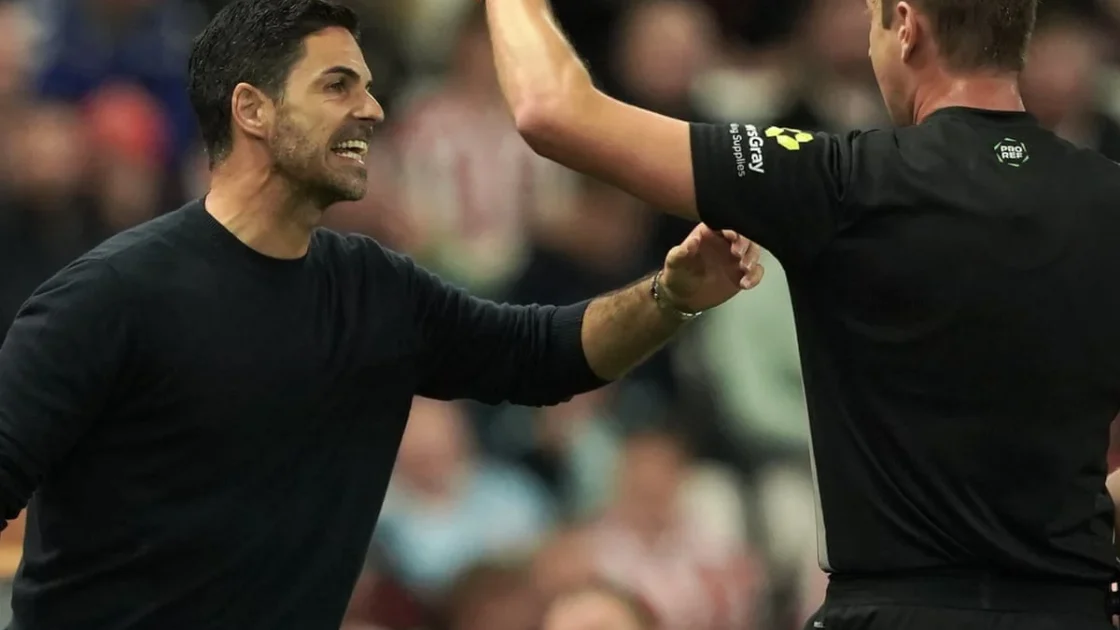
Arteta received his second booking of the season for leaving his technical area during Arsenal’s 2-0 victory over Everton. While the Arsenal manager admitted he left his technical area—44 times before receiving a yellow card, according to former referee Graham Scott—he pointed out that other managers frequently do the same without punishment. Arteta stated that he is clipping footage of rival bosses so he can challenge officials about record-breaking touchline wandering.
This approach invites two interpretations according to Football | The Guardian reporting. Some may view it as a petty, neighborhood-watch style of grievance, while others see it as a deliberate attempt to foster a siege mentality among supporters by convincing them that authorities are biased against Arsenal.
Historical Mind Games and Psychological Tactics
The history of psychological manipulation in football features varied and sometimes eccentric examples. Before the 1939 FA Cup final, Wolves manager Major Frank Buckley famously claimed to inject his players with animal secretions to intimidate opponents. Similarly, ahead of a 1965 European Cup semi-final, Inter manager Helenio Herrera distributed leaflets claiming Liverpool fans had mocked Italians, successfully firing up the San Siro crowd.
While managerial masters like Alex Ferguson and José Mourinho frequently used psychological warfare, Mourinho often crossed lines of professional decency. Arteta has not yet reached that level, but if his image collection is part of a calculated strategy, it carries significant risks.
The Danger of Fueling Fan Paranoia
Arteta’s narrative risks finding an enthusiastic audience among certain online Arsenal supporters who already believe match officials are actively working against the club. This defensiveness was evident when some fans defended 16-year-old Max Dowman following his red card for kneeing an opponent, arguing about disciplinary discrepancies involving other players. However, shifting focus away from player discipline ignores the basic principle that avoiding retaliation prevents punishment regardless of prior fouls.
Fostering an atmosphere of insecurity and believing that external forces are conspiring against a club rarely aids a championship campaign. During the 2024-25 season, Arsenal’s title ambitions suffered due to early-season ill-discipline, which was often met with complaints about unfair treatment rather than champion-like resilience.
Arteta’s approach demonstrates that abdicating responsibility and leaning into dossiers and grievances remains a risky path in English football.
Source: Football | The Guardian