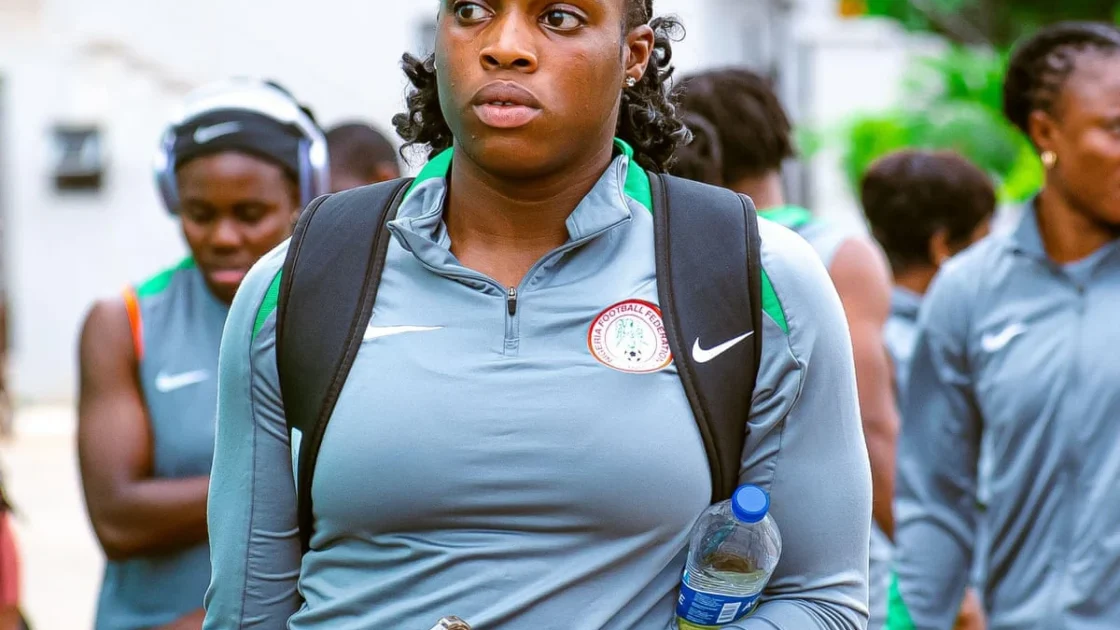
The Nigeria women’s national football team missed out on qualification for the World Cup for the first time in history following a 2-1 defeat against South Africa in a playoff in Casablanca. The loss serves as a major blow to the most decorated side in African football, which has claimed 10 Women’s Africa Cup of Nations (Wafcon) titles.
A Historic Defeat and Financial Impact
Journalist and lecturer Dr Victor Ademola, who witnessed the match in Morocco, described a difficult evening marked by emotional players in tears. Writing in Football | The Guardian, Ademola noted that the squad understood the gravity of the result, recognizing it as much more than a routine loss. The defeat followed a quarter-final elimination from Wafcon by Cameroon, which pushed Nigeria into the unsuccessful playoff.
According to African women’s football journalist Janine Anthony, missing the tournament in Brazil next year deprives Nigeria of crucial developmental funding at a time when prize money is increasing. Anthony stated that women’s football relies heavily on the World Cup as a commercially marketable vehicle and a vital platform for representation. The Super Falcons had previously been one of only seven teams—and the sole African side—to appear at every edition of the tournament.
Preparation and Governance Challenges
Anthony reported that despite their historical success, the Super Falcons are treated as an afterthought in terms of management, preparation, and domestic leagues. She pointed out that a lack of preparation matches left the team lacking cohesiveness under then-coach Justine Madugu, who frequently rotated his starting lineup during the tournament. Prior to the competition, Nigeria played only two matches against Senegal, whereas they had three friendlies scheduled before the 2025 edition.
The broader landscape of African women’s football is shifting, with Morocco standing as the only guaranteed African participant from the 2023 tournament for next year’s event. Meanwhile, Malawi and Cameroon advanced as standouts, securing historic qualification spots.
The setback comes amid ongoing struggles within Nigerian football, including unpaid allowances and bonuses that have historically led to player protests and training boycotts. Local media reported that the Nigerian Football Federation (NFF) is under investigation by the department of state services over the alleged misuse of a 17bn naira (£9.5m) government fund allocated in 2024 to settle outstanding payments. The NFF did not respond to inquiries from Football | The Guardian regarding these allegations.
Political figures have also weighed in on the administrative crisis. President Bola Tinubu stated in August that Nigerian football requires extensive reforms to improve governance, administration, and accountability. Shortly afterward, Ibrahim Gusau resigned as NFF president alongside multiple board members, leading to the suspension of scheduled elections until reforms are implemented alongside FIFA and the Confederation of African Football.
Anthony emphasized the need for greater investment, administrative accountability, and respect for the team moving forward. She noted that supporters are deeply saddened by the national teams’ recent struggles and expressed hope that the Super Falcons will finally receive the respect they deserve.
Source: Football | The Guardian