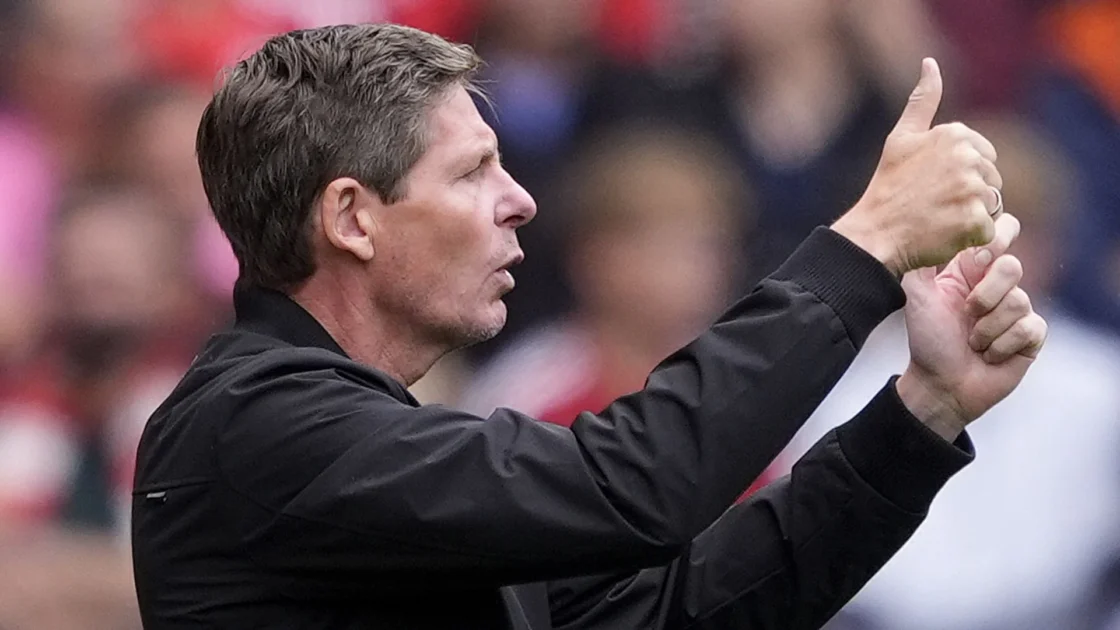
Crystal Palace head coach Oliver Glasner has stated that his recent public criticism of his squad was intended as a positive catalyst for change. The manager delivered two blunt assessments to Sky Sports and in a press conference following a defeat to Brentford, which left the club 19th in the Premier League table.
A Call for Accountability
Reflecting on the loss at the Gtech Community Stadium, which marked the team’s fourth defeat in five matches, Glasner emphasized the need for a shift in approach. He noted that he had previously made too many compromises and insisted that a clearer direction was required. “We have to accept it’s not good enough. If we lose four of the last five games, it’s not good enough. And that’s why for me, it’s now time that we change things, that I change things, and that’s what I will do,” Glasner said.
The manager warned that if the players did not commit to his vision, the club would likely face further managerial turnover. However, he clarified that his comments were not a personal attack but a necessary step to break a cycle of poor results. “I can’t continue telling the same story – ‘good start, well played, missed chances, making mistakes, losing. OK, on to next week’,” he explained. “That was the reason [for the outburst]. I didn’t attack somebody directly, but it’s all about what we all share.”
Focusing on Cultural Change
Ahead of this weekend’s match against Manchester City, Glasner reported that the team had experienced a productive week of training. He maintained that his communication style is designed to foster transparency, noting that if he sees issues, he will address them directly. “We are now in a society where maybe criticism or the way I talked was in a negative way, but the intention is positive. The intention is to change something and get better results,” he stated.
Glasner declined to provide specific details regarding internal changes, joking that “what happens in Las Vegas stays in Las Vegas.” He did, however, mention that he has increased his individual and group communication with the squad, always with the goal of improvement rather than punishment.
The manager expressed a desire to move away from a dynamic where the coaching staff is the sole source of motivation. “One of the biggest goals I have is to create a culture and an environment where you want to be, but where you also want to work hard,” Glasner said. He added that he hopes to see more intrinsic motivation from the players, noting that he would prefer to be challenged by them regarding their own development. “Everything that comes from the players, it’s 100 times more worth it than when it comes from the manager or from the staff,” he concluded.
Source: SkySports | News