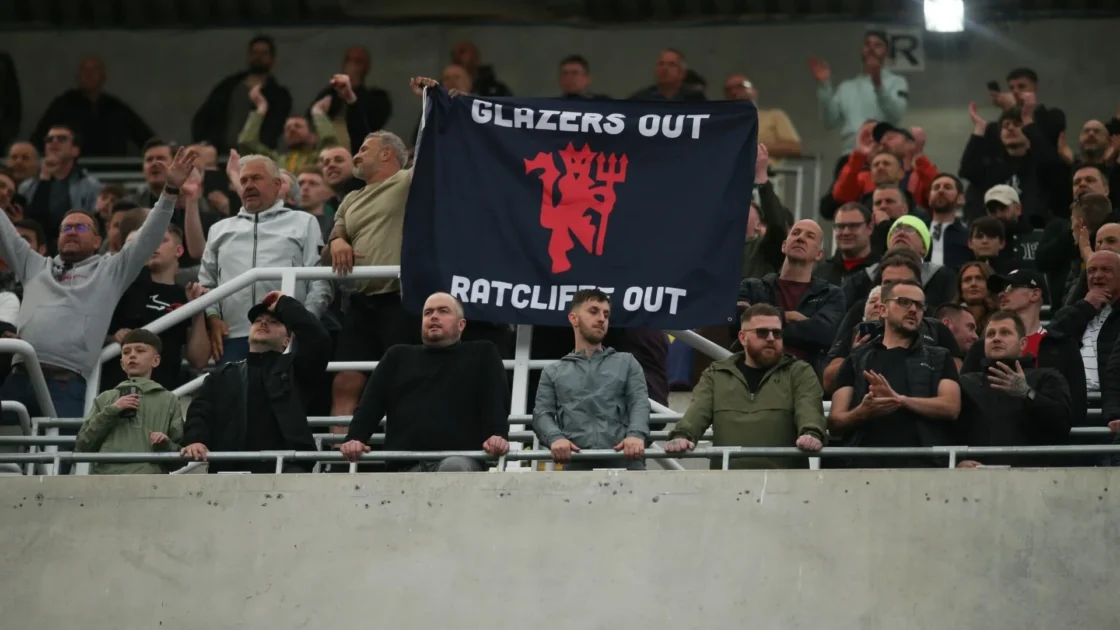
Manchester United faces another familiar crisis following a 3-0 home defeat against AFC Bournemouth at Old Trafford. The loss marked Bournemouth’s third 3-0 victory at the stadium in two years, echoing a pattern of recurring disappointment that has left supporters frustrated with executive management, ownership, and the playing squad.
According to an analysis by CBS Sports, the club’s struggles stem from deep-seated operational issues rather than a single individual. The breakdown ranks five primary figures and institutional factors responsible for Manchester United’s continued decline.
5. Michael Carrick
Head coach Michael Carrick has encountered increasing scrutiny amid questionable tactical decisions and a high volume of long-range shot attempts. However, expectations surrounding his tenure were transformed after he initially stabilized the team following the departure of Ruben Amorim. Carrick guided United to a third-place Premier League finish and Champions League qualification by simplifying tactics and benefiting from the strong form of midfielder Bruno Fernandes.
Despite that initial success, questions remain over whether Carrick’s managerial record at Middlesbrough justified expectations of long-term success at the highest level. While supporters at Old Trafford continued to voice vocal support for Carrick during the match against Bournemouth, broader organizational issues have limited his ability to navigate injuries and inconsistent performance.
4. Expectation and Club Culture
The historical stature of Manchester United creates an environment where setbacks quickly trigger wider operational panic. Following a defeat away to Atletico Madrid, underlying metrics showed the club was underperforming relative to its expected goal difference (xGD). At the time, United had a goal difference of minus-one compared to an expected goal difference of nearly plus-four.
While the squad was not performing at the level of the previous season’s third-placed finish, the data suggested the team’s true quality was higher than their current standing near the lower end of the table. However, internal instability and intense public scrutiny have routinely converted standard performance fluctuations into systemic crises.
3. The INEOS Leadership Structure
Sir Jim Ratcliffe acquired a roughly 25 percent stake in Manchester United for $1.6 billion in February 2024, taking control of football operations through the INEOS Group. Alongside sporting director Jason Wilcox, the leadership structure promised a unified long-term strategy. Subsequent decisions, however, have involved frequent strategic shifts.
Under INEOS management, the club publicly sought potential replacements for former manager Erik ten Hag before extending his contract, spent over $400 million on squad changes, and dismissed him four months later. The executive team then appointed Ruben Amorim, who led the team to a 15th-place finish before departing over internal disagreements. Carrick was subsequently handed the job on a temporary and then permanent basis, followed by a summer transfer window focused heavily on midfielders—including Youri Tielemans, Andrey Santos, and Carlos Baleba—while leaving the left-back position unaddressed.
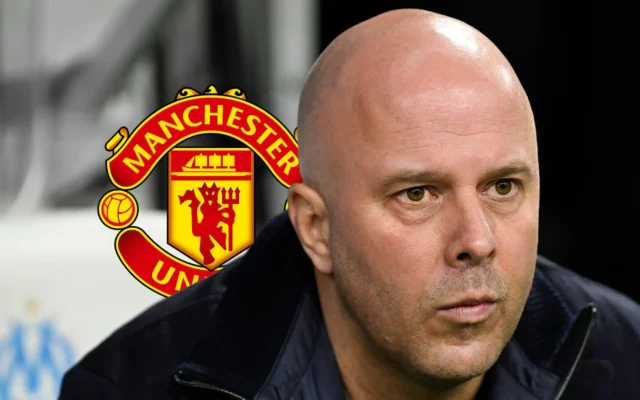
Furthermore, the hierarchy spent £4.1 million to recruit executive Dan Ashworth, only to release him five months later. Reports now link United with Newcastle United manager Eddie Howe, who previously worked alongside Ashworth. During the period of INEOS operational control, United ranks ninth in the Premier League for total points and 10th for expected goal difference, while focusing heavily on internal cost-cutting measures.
2. Player Accountability
Player consistency and culture remain major contributing factors to the ongoing performance issues. Following the loss to Bournemouth, defender Harry Maguire addressed the squad’s form, stating, “At the moment it’s nowhere near good enough and something needs to change.”
Despite numerous coaching alterations, key elements of the squad have remained constant across multiple management cycles. The defensive line of Diogo Dalot, Harry Maguire, Lisandro Martinez, and Luke Shaw featured in a 4-0 defeat to Brentford in August 2022 and was deployed again in recent draws against Fulham and Everton. While individual players possess significant talent, the lack of squad turnover and accountability has created an environment where playing personnel face minimal consequences for sustained drops in form.
1. The Glazer Family
The top responsibility for the club’s long-term degradation rests with the Glazer family’s ownership structure. Since Malcolm Glazer completed a leveraged buyout of Manchester United, the financial structure has cost the club an estimated $1.5 billion, primarily spent on servicing debt associated with the acquisition rather than re-investing in football operations.
Although Manchester United secured 15 major trophies under Glazer ownership, 10 of those titles occurred during the tenure of Sir Alex Ferguson. Commercial revenue growth was largely propelled by the overall global expansion of the Premier League rather than owner investment. Meanwhile, physical infrastructure has degraded, with Old Trafford requiring estimated renovation costs of $1.6 billion.
The financial drag created by ownership debt has ultimately necessitated recent corporate cost-cutting drives, establishing an organizational culture that continues to undermine on-field performance.
Source: CBS Sports Headlines