The Football Association of Wales (FAW) has called for greater funding for Welsh football after setting out ambitious targets for the next decade. Wales’ governing body stated that it wants more players, more pitches, and more qualifications for major tournaments over the next ten years.
Strategic Targets and Elite Goals
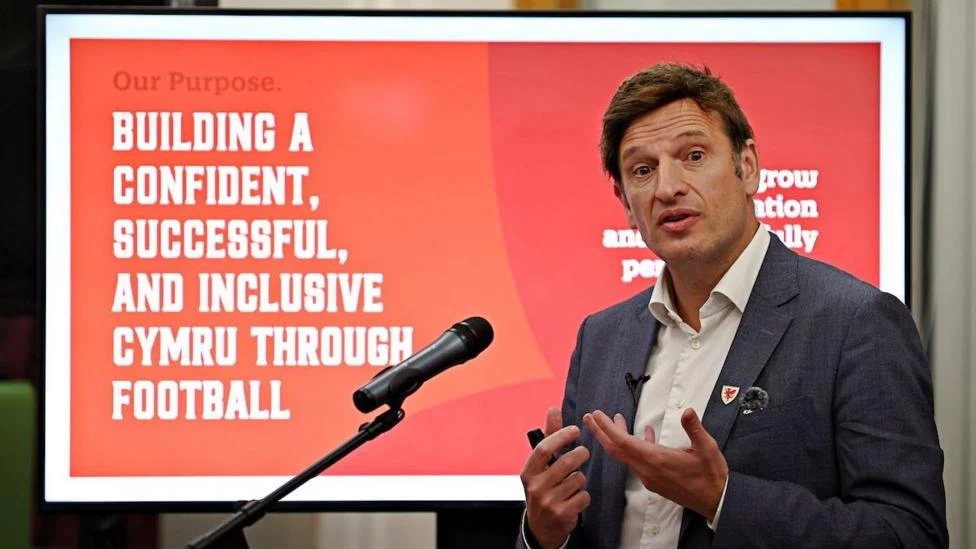
The FAW’s aims have been outlined in a new strategic plan titled “Llunio Cymru,” which sets out a number of measures of success between now and 2036. The plan focuses heavily on growing participation and helping the national sides perform on the world stage, including a target to see the men’s national side return to the top 20 of FIFA’s world rankings.
Key targets for the elite game include qualifying for every other major tournament and reaching the knockout stages of the co-hosted Euro 2028 and the 2035 Women’s World Cup. The FAW aims to have 80% of men’s and women’s national team players as regular starters in the world’s top five leagues, up from 65% for the current men’s squad.
To help achieve this, the association plans to introduce two elite category club academies in the country. This comes after the FAW admitted there was a drop-off in talent produced for the men’s national side following Swansea City’s loss of category one status. The FAW stated it will work with clubs to lend resources and staff, aiming to produce two players per team every year. Additionally, the association has developed data tracking of dual-qualified players and continues work on national academies for the women’s game.
Participation and Infrastructure Needs
The FAW last set targets in 2021, successfully achieving qualification goals for the 2022 men’s World Cup and the 2025 women’s Euros. During that period, the registered players count rose from 80,000 to 120,000. The FAW now wants that number to grow to 160,000, which includes doubling the number of registered women and girls to 40,000.
A key goal in the new strategy is ensuring quality facilities are in place within 15 minutes of every community, targeting 100 new or upgraded pitches by 2030. Projects in the 100 most deprived and diverse communities will be prioritized, alongside a 50% increase in priority pitch access for women and girls. A specific strategy for the women and girls’ game will be launched next month, featuring a doubling of the money invested.
However, a recent review estimated that delivering the necessary facilities across local authority areas would cost £150m. Chief executive Noel Mooney admitted that the association will seek greater Welsh government support to develop these new facilities. Mooney noted that while the FAW has spent more than £30m over the last four years building pitches across the country, a long way remains.
“We need a lot more support,” Mooney told BBC Sport. “We’re very clear on the growth of the female game that we need facilities for that. We’ve spent more than £30m over the last four years building pitches all across the country but we’ve a long, long way to go.”
Funding and Government Support
Mooney explained that increased revenues from FIFA after the 2026 World Cup and the planned windfall from staging Euro 2028 have helped nudge FAW revenues toward £50m. While the FAW has already secured UK government funding for some plans, Mooney believes the Welsh government must do more, describing the current £13m in capital expenditure as a scratch on the surface of what is required.
Mooney expressed hope that the forthcoming Welsh government budget, the first since Plaid Cymru’s election success earlier this year, will bring increased investment in capital projects. He added that the association has confidence following discussions with the new government, which gave signals of moving in the right direction.
Further aims outlined in the 10-year strategy include ensuring every match above under-12 level has a qualified, neutral referee, halving teenage drop-out rates, increasing the number of qualified coaches by a third, and lifting average Cymru Premier attendances above 1,000.
Source: BBC Sport