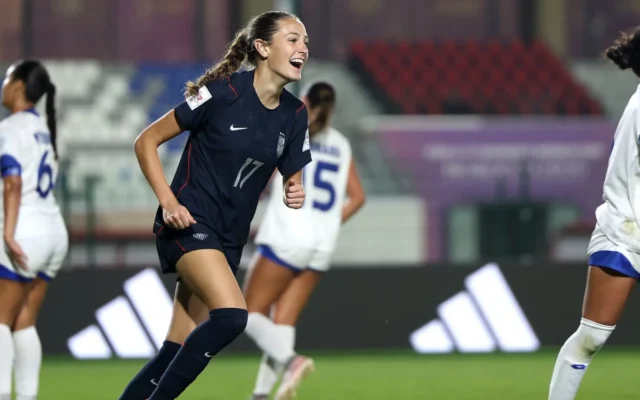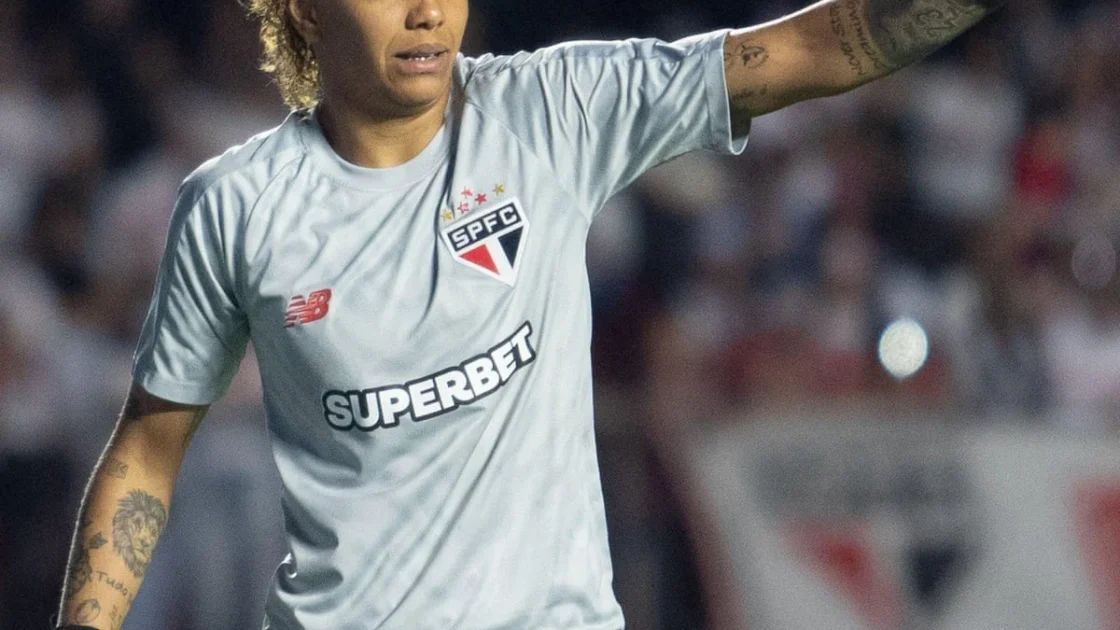
The day before the first round of Brazilian elections, São Paulo drew 1-1 with Corinthians to claim the Brasileirão Women’s title at the Estádio do Morumbi. Following the match, goalkeeper Carlinha used a televised interview watched by 23 million people to voice her opposition to former president Jair Bolsonaro. Carlinha, who lost her grandmother during the Covid-19 pandemic, spoke to Moving the Goalposts about her relief in sharing her perspective as a journalism student aware of the potential impact of a right-wing victory.
Players Speak Out on Politics
Carlinha is among several female players using their platform ahead of Sunday’s second-round presidential vote between incumbent left-wing president Luiz Inácio Lula da Silva and Flávio Bolsonaro, whose father is serving a 27-year sentence for a coup attempt. Carlinha’s teammate Tayla Carolina also gained widespread attention after sharing her family’s background online, detailing her mother and grandmother’s struggles as cleaners and the importance of public policies from Lula’s government. Tayla explained that as someone from a humble background, she feels a responsibility to speak up about systemic inequalities.
A recent study by player organization Fifpro, involving 800 professional players, revealed that nearly half of female footballers consider early retirement due to psychological and financial pressures. With Brazil hosting the Women’s World Cup next year, both Carlinha and Tayla believe the election results will profoundly affect the sport’s trajectory. Carlinha pointed to politicians on the right who oppose women’s rights, while Tayla emphasized the ongoing need for government incentives to support the women’s game.
World Cup Legacy and Political History
President Lula approved the World Cup law in June 2026, establishing a legacy plan focused on promoting girls and women in football, professionalizing the sport, combating discrimination, and enhancing economic aspects. In contrast, Bolsonaro’s sports proposals do not mention the tournament and instead focus on ensuring female categories are restricted to athletes of the biological female sex. While prominent men’s players like Neymar and Richarlison have openly aligned with opposite political sides, female players lack the same social media reach, though the election outcome carries significant weight for women’s football.
Kely Nascimento, founder of the Nascimento Foundation and daughter of Pelé, noted that female athletes lack the protection of wealth and often originate from communities that face the greatest impact from these elections. Women’s football historian Aira Bonfim explained that the politicization of the sport is centuries-old, reflecting gender, racial, and class inequalities. Bonfim warned that electing a candidate without a commitment to the World Cup risks wasting human investment and dismantling social legacy plans built to support the tournament.
As the second round of Brazil’s elections approaches on Sunday, the future of women’s football remains intertwined with the broader social and political landscape of the country.
Source: Football | The Guardian