Paris Saint-Germain delivered a dazzling display on the pitch during their Champions League match against Barcelona, even as the French capital grappled with severe civil unrest and political turmoil. The striking contrast highlighted the deep cognitive dissonance within a city experiencing simultaneous celebration and crisis.
The Spectacle at Parc des Princes
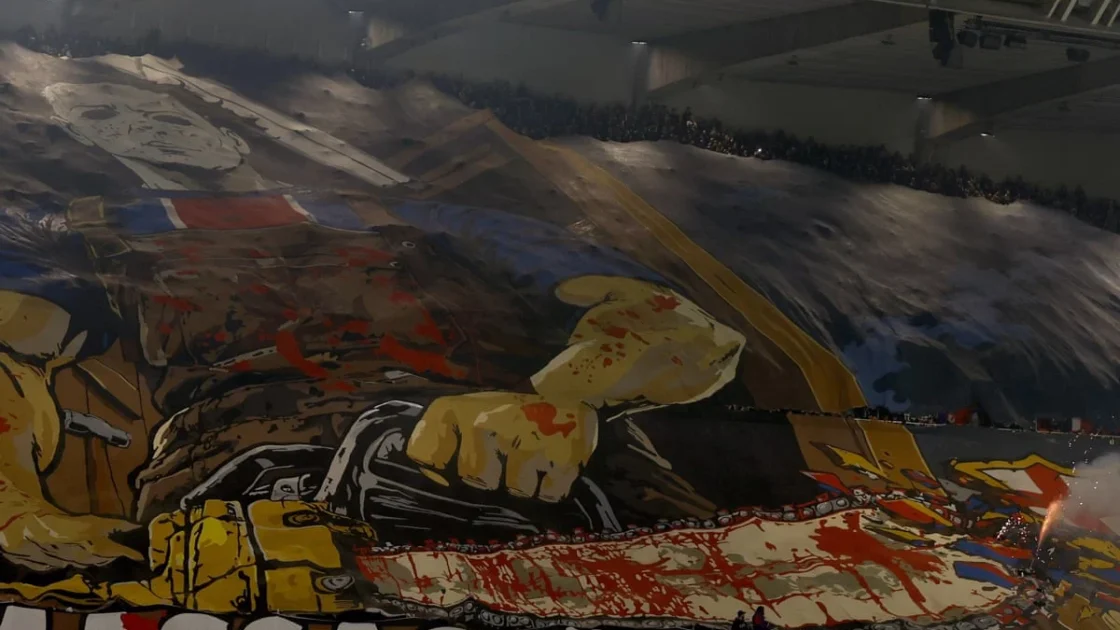
The pre-match show for Paris Saint-Germain versus Barcelona on Champions League Matchday Three featured wild pyrotechnics, smoke plumes, a full-wrap light show, and lime-green robo-text projecting player names. The spectacle also included a Halloween-themed tifo banner depicting a masked serial killer character butchering the Barcelona badge with a chainsaw, alongside Barça Puta signs that reportedly prompted a UEFA complaint.
This intense sensory experience unfolded while the streets of central Paris carried a tangible sense of dread. Tourists and flâneurs went about their daily business alongside the crunch of glass underfoot and charred rental bikes piled neatly to one side. By Tuesday night, authorities had taken 2,513 people into police custody following weekend events, with at least 420 rental bikes destroyed or damaged, and high-value retail goods quickly appearing on resale platforms like Vinted.
Football and the State Power Project
French media coverage treated the 4–2 PSG victory as a clean space floating above the flames, praising players like Désiré Doué and broadcasting audiences on Canal+ TV. Le Parisien ran the headline “Paris est insubmersible!”, questioning the resilience of the capital. According to Football | The Guardian, Paris Saint-Germain serves as the state power football project of Qatar, perfectly expressing the city’s underlying dualism.
Emmanuel Macron addressed the situation on Tuesday evening from Doha, where he met Sheikh Tamim bin Hamad al-han, the ultimate owner of PSG. Macron stated that individuals attempting to cause trouble in city centers would be prevented, and he reportedly considered deploying the French military to maintain peace ahead of planned protests. These upcoming demonstrations are closely tied to the football calendar, with PSG scheduled to play Lyon at home on Sunday in a top-of-the-table clash amidst whatever street skirmishes remain.
Analysing the Roots of Disorder
Various theories have emerged regarding the spark behind the ongoing unrest, ranging from school protests to nebulous social media activism and broader societal decline. Modern life frequently generates disaffection and alienation among young people, particularly with French youth unemployment hovering near 20%. Against this backdrop, PSG operates as an outreach project for a wealthy inherited monarchy, utilizing weaponized passion, borrowed culture, and engineered spectacle.
The Qataris have invested hundreds of millions into the club while also employing figures like Colin Kaepernick for public relations outreach. Ultimately, the dark side and the shiny side of Paris represent the same divisions and violence, mirrored by youths in PSG training gear dodging police or taunting barricades at the Place de la République.
As Le Monde described the ongoing events as a fundamental test of the republic and its ability to confront its own people, football continues to reflect these societal tensions. For the past 15 years, PSG’s Qatari owners have promoted the city as a global luxury brand centered on conspicuous consumption and spectacle.
Source: Football | The Guardian