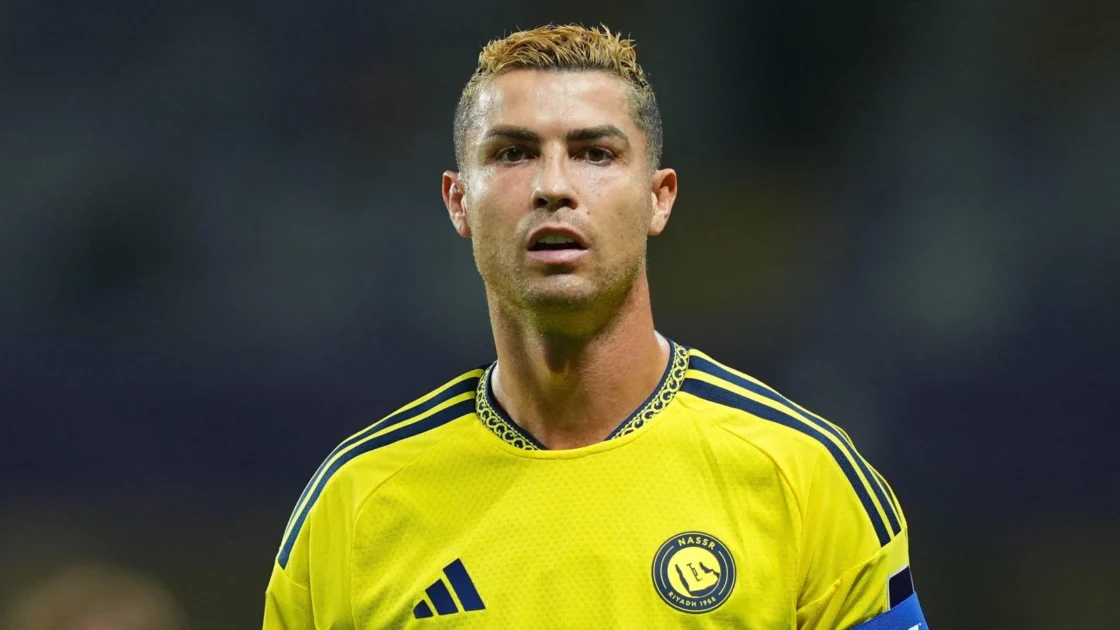
American investment firm RedBird Capital is reportedly exploring a deal to purchase a 70% stake in Saudi Pro League club Al Nassr for approximately $267 million. Under the reported terms, star player Cristiano Ronaldo would acquire an additional 20% of the club, marking a growing trend of US investment in Saudi football.
The Appeal of Lower Valuations
If the transaction goes through, RedBird will follow the Harburg Group, which purchased 100% of Al Kholood in July 2025, as the second American group to own a Saudi club. According to Football365, the primary driver behind this interest is financial value compared to the established markets in England, France, Italy, and Spain.
Saudi clubs are priced significantly cheaper than their European counterparts. At the valuation reportedly discussed for RedBird’s deal, Al Nassr would trade at roughly 2.3 times its revenue. Meanwhile, Al Hilal traded at a 1.1 times revenue valuation earlier this year after 70% of the club was sold to Kingdom Holding, owned by Prince Alwaleed bin Talal, for around $373 million.
By contrast, Premier League clubs such as Liverpool, Manchester United, and Chelsea have transacted over the past five years at valuations exceeding 5 times their revenue. For investors like RedBird and the Harburg Group, the strategy involves purchasing Saudi clubs at a low valuation and anticipating that global interest and club values will rise.
Government Backing and Market Influence
Another motivating factor is the Saudi government’s dedication to expanding the global reach of football within the Kingdom. Saudi Arabia is set to host the 2034 World Cup across 15 stadiums in five cities, including eight newly constructed venues. Furthermore, the country’s Public Investment Fund (PIF) sponsored the 2025 Club World Cup, holds ownership of Newcastle United, acquired a stake in broadcaster DAZN, and leads the takeover of Electronic Arts.
This widespread government influence across federations, clubs, and broadcasters offers investors confidence that the domestic league is positioned for international growth. Investors are effectively buying into a league supported by state advantages aimed at challenging European football dominance.
Shifting Spending and Future Risks
Despite these advantages, recent indicators suggest the Saudi government’s financial commitment to sports may be cooling. Saudi clubs have significantly reduced their spending in recent transfer windows, with Al Nassr signing only defensive midfielder Samu Costa for a reported €22 million this past summer—a stark contrast to the massive spending seen in the summer of 2023.
Additionally, the conclusion of funding for LIV Golf and the omission of sports from the PIF’s 2026-2030 strategy suggest a shift in priorities. This potential pullback makes RedBird’s reported interest in Al Nassr notable, as it could represent an optimal time to buy while the Saudi government is motivated to divest.
The central question remains whether the Saudi Pro League can achieve its anticipated growth without continuous state backing for club expenditures. As the Saudi state focuses on building the broader infrastructure—including the World Cup, broadcast agreements, and FIFA partnerships—while passing running costs to private owners, American investors face a landscape defined by both opportunity and risk.