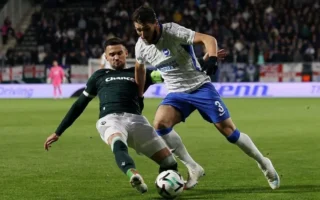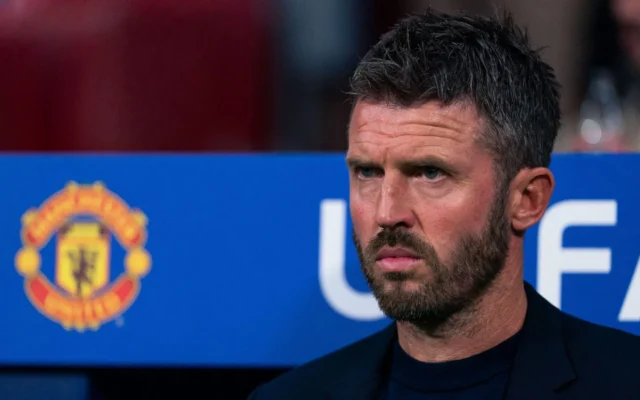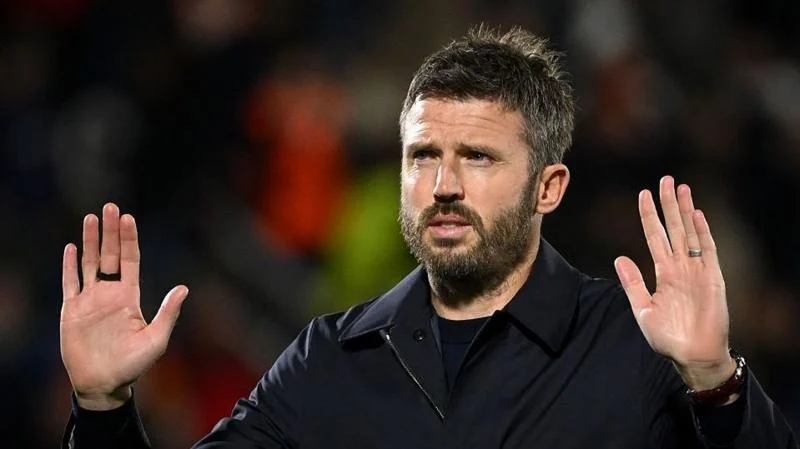
The relentless cycle of failure that has consumed every Manchester United manager since Sir Alex Ferguson now ensnares Michael Carrick. Carrick faced frustrated supporters with raised hands in apology after a heavy Champions League defeat at Como, mirroring the exact exit scene of his predecessor Ole Gunnar Solskjaer.
A History of Failed Appointments
Carrick is the seventh full-time manager appointed since Ferguson stepped down in 2013 after collecting 38 trophies across 26 years. While Louis van Gaal, Jose Mourinho, and Erik ten Hag delivered occasional silverware and moments of hope, every tenure ultimately concluded with a dismissal. The club’s leadership—spanning from former executive vice-chairman Ed Woodward to the Glazer family and current part-owner Sir Jim Ratcliffe—has cycled through varied managerial styles without success.
David Moyes struggled to step up from Everton, while Van Gaal and Mourinho arrived with stellar pedigrees at European superpowers. Solskjaer was chosen following a successful interim spell without a strong prior managerial record, much like Carrick, whose previous permanent role ended in a dismissal at Championship side Middlesbrough. Later, Ten Hag arrived after guiding Ajax to a Champions League semi-final, and Ruben Amorim was lured from Sporting as one of Europe’s top young coaches. All ultimately found the sprawling demands of Old Trafford impossible to handle.
During this era, top-tier managers like Carlo Ancelotti, Pep Guardiola, and Jurgen Klopp successfully avoided the club, choosing instead to manage nearby rivals in the north-west. This reality has raised questions about whether morale and hope at the club have ever been lower, and whether the institution itself has become unmanageable.
Behind-the-Scenes Turmoil and Leadership
The blame extends far beyond the dugout, with significant scrutiny directed toward minority owner Sir Jim Ratcliffe and the overarching club hierarchy. Ratcliffe’s partnership with the deeply unpopular Glazer family has drawn ire from supporters, while his transition into football club ownership has brought severe instability and costly missteps.
United nearly dismissed Ten Hag prior to an FA Cup final victory against Manchester City, only to reverse course, award him a contract extension, and provide £200m in transfer funds. Just six months later, Ten Hag was sacked alongside his staff at a cost of over £10m. Another disruption followed with the brief tenure of sporting director Dan Ashworth, who spent more time on gardening leave prior to his arrival than he did actively working at the club before departing amid behind-the-scenes disagreements.
Amorim eventually succeeded Ten Hag, but his commitment to a 3-4-3 tactical setup contributed to his departure after 14 months following a hostile meeting with director of football Jason Wilcox. Meanwhile, dressing room friction surfaced as defender Lisandro Martinez criticized Wilcox following a defeat at Atletico Madrid, and captain Bruno Fernandes questioned tactics after the loss in Como.
Financial pressures also persist despite aggressive cost-cutting under Ratcliffe that saw numerous staff departures. Overall debt remains at £1bn, though the club announced record revenue of £678m and an operating profit of £23m. Additionally, United continue to pursue plans for a projected 100,000-capacity stadium estimated to cost more than £2bn, having spent £64m to acquire land for the project.
With poor pitch performances and backstage instability continuing to plague the institution, United face the looming threat of falling further behind their domestic and European competitors.
Source: BBC Sport